

Why the NFRA Is Encouraging Us to Ditch the Term “Food Waste”
Words shape how we think. And how we think shapes what we do.
By Dana Siles
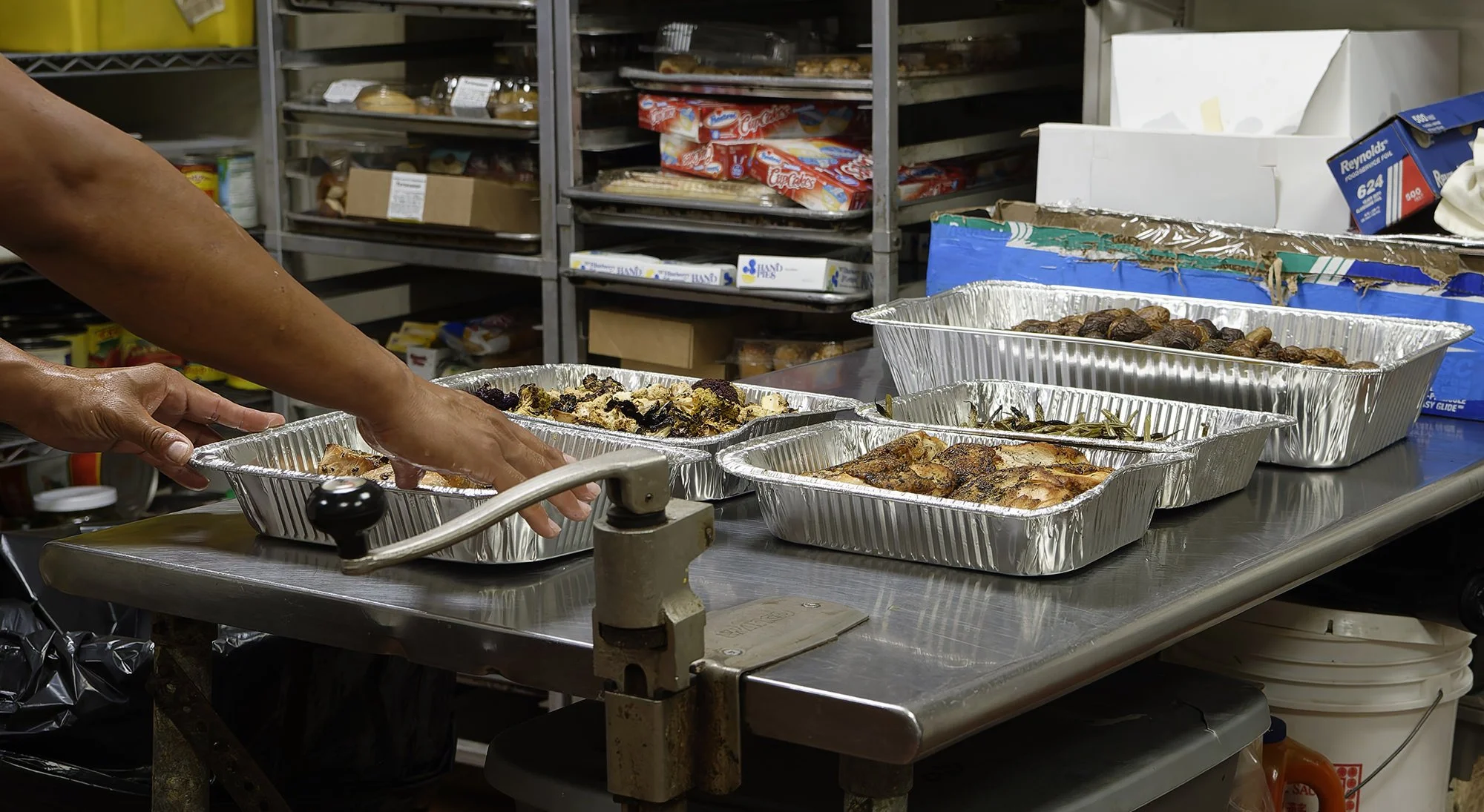
The food recovery movement is rooted in the belief that edible surplus food does not belong in landfills. It’s what unites our member organizations nationwide, across diverse models, missions, and operational approaches. We have all invested significant time and resources crafting messaging that reflects our work: educating those who generate excess food, inspiring supporters, and encouraging those not yet aligned to reconsider.
But there’s one area where alignment matters more than ever: how we think and talk about food itself.
The reason the National Food Recovery Association (NFRA) exists is to “enhance the credibility and collective impact of members committed to industry excellence,” achieved through transparency and collaboration. One of the most exciting goals under this framework is building shared systems for data collection and measurement to improve clarity, increase consistency, and strengthen sector credibility — a core focus of the Data & Metrics Workgroup. Yet the work doesn’t start or end with numbers.
Words matter.
We have the power to change minds:
➜ So entities with excess food will donate it
➜ So businesses aligned with our missions will support our work
➜ So elected officials will pass legislation that turns common sense into common practice
But here’s the critical question:
We’ve evolved in how we think about surplus food. As industry leaders, do our words reflect that evolution?
If not, can we reasonably expect others to follow?
It’s Not Just Semantics. It’s Strategy.
The conversation around terminology has surfaced many times in the food recovery space. Respected leaders have called for ditching the term “food waste,” only to use it again months later. This isn’t hypocrisy — it’s a sign that changing vocabulary alone isn’t enough.
The real shift must happen in how we think, not just what we say.
When we say “food waste” instead of “wasted food,” we subconsciously signal to others as well as ourselves that it has no value. Disposable. Finished. But much of what gets labeled “food waste” is still edible, nourishing, and recoverable — not something to discard.
Language shapes perception. Perception drives action.
Definitions Shape Outcomes
Consider how we typically think about these categories:
Surplus / Excess / Leftover / Extra Food — An amount greater than needed; often still safe and suitable for consumption
Food Scraps — Inedible portions like peels, pits, or spoiled leftovers
Wasted Food — Food that ended up in landfill instead of being consumed, recovered, or recycled
Depending on the system in place, surplus food and food scraps may also be redirected to animal feed, used to nourish soil through composting, or processed into renewable energy — extending the value of food far beyond landfill.
Now try this exercise:
Say this out loud:
“There’s food waste in the landfill.”
Now say:
“There’s wasted food in the landfill.”
The first sounds inevitable — perhaps even acceptable.
The second sounds preventable — and unacceptable.
That difference matters.
It’s Also About Dignity
Imagine receiving donated food. Would you prefer it described as “food waste” — or as “extra food,” “leftover food”? Or better yet… just food.
The words we choose uphold dignity.
Even well-intentioned phrases like “turning food waste into meals” unintentionally reinforce the idea that what’s being served was once garbage. That’s not the message we want to send — to recipients, donors, or policymakers.
A Shift in Thinking Drives a Shift in Systems
If businesses believe they will have “waste,” they plan for disposal.
If they anticipate “surplus,” they plan for recovery.
If policymakers hear “food waste,” they think environmental compliance.
If they hear “recoverable food,” they think infrastructure and incentives.
If we, as leaders in food recovery, continue using language that implies inevitability, we unintentionally reinforce the very outcomes we’re working to prevent.
NFRA’s vision includes creating “a well-connected field that elevates the voices of food recovery experts to define industry standards and influence a supportive regulatory framework.” If we want to shape national standards, our terminology must reflect our values.
This Isn’t About Policing Words — It’s About Changing Mindsets and Advocating for a Cultural Shift Across the Food Sustainability Space
This isn’t a call to shame anyone for using familiar terminology. It’s a call to shift perspective — across our organizations, partners, and the broader food sustainability movement. This is bigger than vocabulary. It’s about culture.
The goal isn’t just to stop saying “food waste.” It’s to stop thinking of recoverable food as waste — to see surplus food as a resource, not a problem, and recovery as responsible operations, not an afterthought. When disposal is assumed, recovery becomes optional. Changing our language shifts that expectation.
The ripple effects are tangible: recovery infrastructure becomes standard, policy support strengthens, public understanding improves, and dignity is preserved.
This is the cultural shift the NFRA champions: a system where recoverable food is expected to be redirected, operations are designed accordingly, and the language we use reflects a shared commitment to maximizing the value of food at every stage.
The Call to Action
We are asking others to rethink what happens to excess food. To do that, we don’t just need better systems — we need better language to drive them. To communicate effectively, we must begin with ourselves — intentionally.
Because when we stop thinking of food as waste, we stop treating it that way.
And that’s where real change begins.
Join the Conversation
Do you agree? Disagree?
We invite all stakeholders to share perspectives, pledge to shift terminology, and help move the field forward.
Words influence action — and together, we can ensure they drive the right ones.
